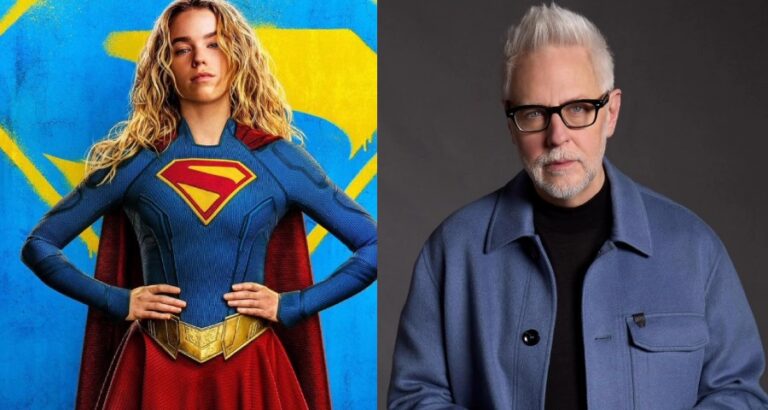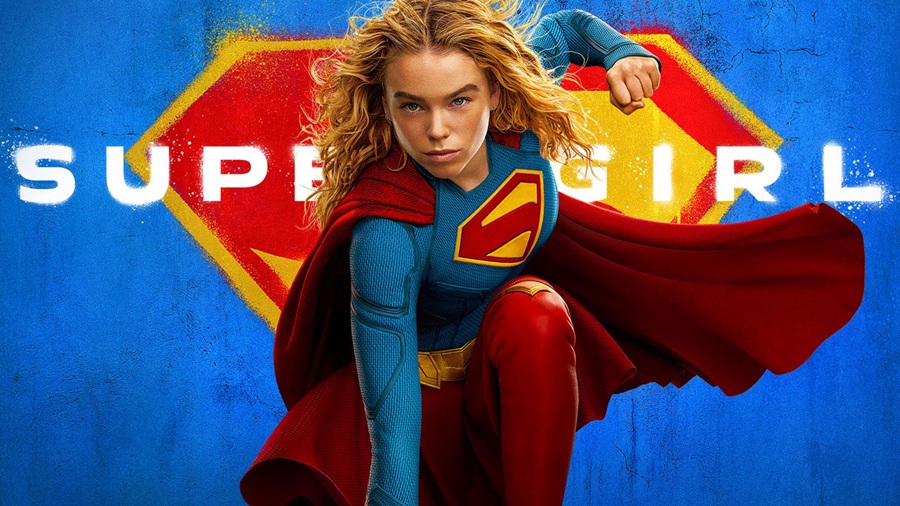
Supergirl has become the center of growing debate as critics question the creative direction of DC Studios and the future of the rebooted DC Universe under the leadership of James Gunn and Peter Safran.
Some commentators have raised concerns about several aspects of the production, ranging from casting decisions and marketing strategies to the overall direction of the franchise.
They argue that the project has struggled to generate widespread excitement ahead of its release.
One of the main talking points centers on Milly Alcock’s casting as Supergirl. Some critics have compared the online discussion surrounding Alcock to the backlash that surrounded Rachel Zegler during the promotion of Snow White, arguing that controversy surrounding public comments attributed to the actress has distracted from the film itself.
They also point to Peter Safran’s public support for Alcock during the criticism, claiming the studio has chosen to stand behind its talent rather than directly address concerns raised by some fans.
The commentary surrounding the film also criticizes the current leadership of the DC Universe, arguing that several recent projects have failed to meet expectations commercially or critically.
According to these critics, the franchise has adopted a creative style that feels overly similar across multiple productions, with comparisons frequently drawn to the tone established in the Guardians of the Galaxy films.
They further argue that elements such as Krypto are being used primarily as promotional tools rather than serving meaningful roles within the larger story.
Financial concerns have also entered the discussion. Some commentators estimate that with a reported production budget of around $170 million and an additional marketing campaign valued at roughly $100 million, Supergirl would need to earn well over $500 million worldwide to become profitable.
Based on opening weekend projections discussed by critics, they argue that reaching that milestone could prove difficult, raising questions about the likelihood of future sequels if the film underperforms.
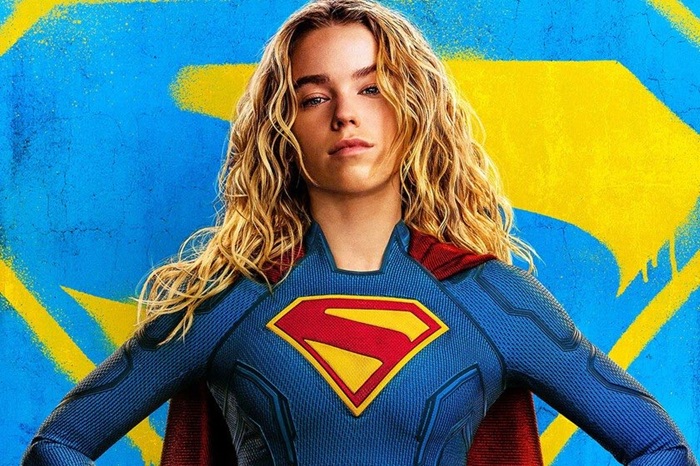
The film’s extensive promotional partnerships with major brands, including KFC and Samsung, have also drawn criticism. Rather than viewing these campaigns as a sign of confidence, some commentators interpret them as evidence of an aggressive marketing push designed to compensate for limited audience excitement. They argue that large-scale promotional deals cannot overcome a lack of genuine interest in the film itself.
A broader criticism is that Hollywood is pursuing what some describe as a “phantom audience” while overlooking longtime comic book fans who helped build the genre’s popularity. According to these critics, many moviegoers are not rejecting superhero films out of hostility but are instead becoming fatigued by what they perceive as excessive messaging and ongoing culture-war debates surrounding major releases.
Ultimately, these critics argue that the DC Universe’s biggest challenge is not controversy but quality. They contend that if superhero films consistently delivered compelling stories, memorable characters, and engaging entertainment, discussions surrounding politics, online backlash, and marketing would become far less significant.