The “Hwaseong Serial Murders” is probably the most famous criminal case in South Korea. Beginning in 1986, ten women were raped and murdered in a series of attacks that continued until 1991. For 33 years, the case remained unsolved, becoming one of the country’s biggest mysteries until the real killer was finally identified in 2019.
After advances in forensic science revealed the murderer, the case became known as the Lee Chun-jae Serial Murders.
Over the years, this case inspired many films and TV dramas, including Memories of Murder and Signal. It also appeared in investigative programs such as Unanswered Questions. Because the case stayed unsolved for decades, it created endless discussions, theories, and speculation. But beyond the mystery itself, the case reflects many painful truths about society, including the lives of victims, suspects, and the failures of authority.
A Quiet Drama That Slowly Won Viewers
The drama Scarecrow quietly began airing this April among many heavily promoted TV shows. It aired on the ENA channel and started with a modest 2.9% viewership rating. By the time its 12-episode run ended, ratings steadily climbed to 8.1%, an impressive result for a weekday drama.
What makes this success even more surprising is that the show had no major celebrity stars or large marketing campaign. Instead, viewers were drawn in by its powerful storytelling and strong acting performances. So what made this drama resonate with so many people?
Real-Life Tragedies Inside Scarecrow
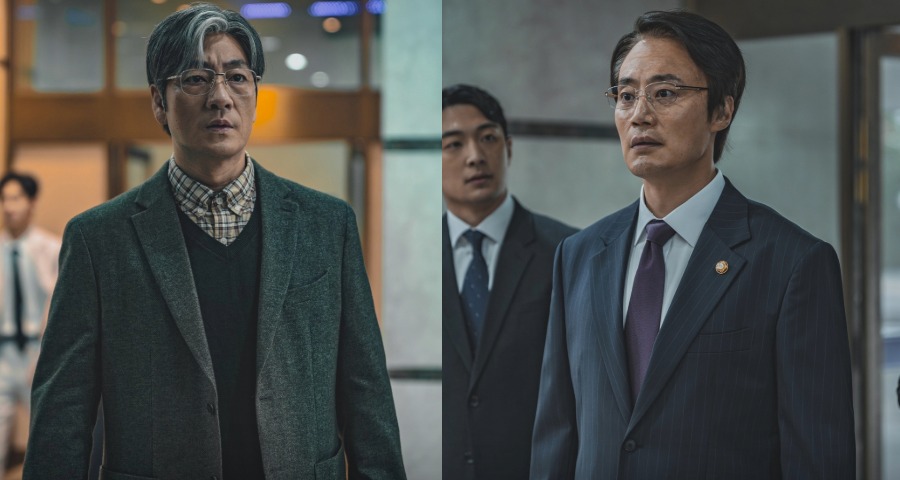
The drama moves the serial murders to a fictional town called “Gangseong.” Detective Kang Tae-joo, played by Park Hae-soo, is transferred there after being pushed out of Seoul. He soon realizes that several recent murders are connected and begins investigating what appears to be a serial killer.
Assigned to the case is prosecutor Cha Si-young, played by Lee Hee-joon, a man who violently bullied Kang Tae-joo in high school. Even years later, Tae-joo suffers trauma from those experiences, experiencing nightmares, nosebleeds, and panic attacks.
The two men often clash but sometimes work together in an uneasy partnership to catch the killer.
As the investigation continues, several suspects are falsely accused. Some are tortured by police, pushed to the edge of death, released without justice, or even die. Others are wrongly imprisoned for crimes they did not commit.
One especially tragic storyline follows a suspect who is falsely accused while police desperately try to force a confession. During the process, an eight-year-old child disappears, and her body is never found. The wrongly accused man ends up spending 20 years in prison.
These stories are based on real events: the case of Yoon Seong-yeo, who spent 20 years in prison after being falsely connected to the serial murders, and Kim Hyun-jung, the child victim of the Hwaseong elementary school disappearance case.
Director Park Joon-woo said in interviews that Scarecrow began from these real tragedies. Since the drama deals with painful failures of state power and injustice, securing investment and broadcast approval was difficult.
Eventually, the creators framed the story as a tense thriller centered around the battle between good and evil, making it easier for networks to support the project. Outstanding performances by actors like Park Hae-soo, Lee Hee-joon, and Jung Moon-sung also helped bring the emotionally difficult story to life.
A Story Without Easy Satisfaction
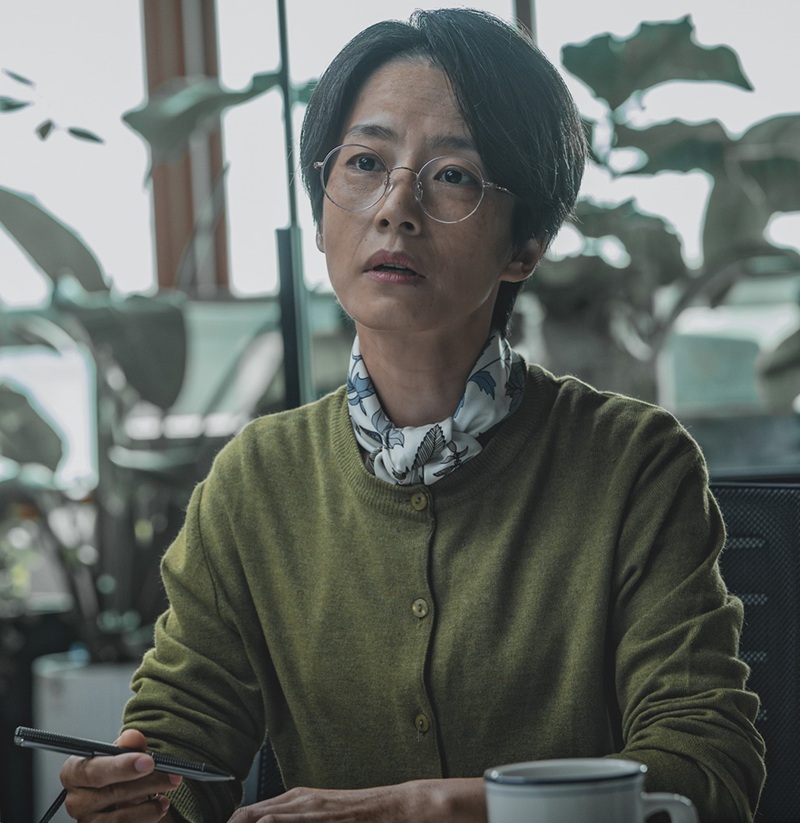
Watching Scarecrow is not easy.
Many modern dramas offer viewers satisfying moments where heroes defeat villains and justice wins quickly. Koreans often call these moments “cider” scenes, meaning emotionally refreshing moments that feel rewarding.
But Scarecrow offers none of that.
There is no heroic figure who punishes evil in dramatic fashion. Instead, the show reflects the harsh reality of 1988 Korea, where power, status, and corruption shaped justice.
Murder investigations become tangled with promotions, rewards, political pressure, and personal gain. As a result, police investigations fail, innocent people suffer, and victims’ pain grows worse.
Detective Kang Tae-joo struggles to fight against the system, but his efforts often feel small and powerless. He repeatedly fails against powerful institutions and even contributes to false accusations. While he avoids direct violence against suspects, he is not free from blame.
This frustration fills the drama. Victims continue to suffer decades later, while police officers responsible for violence and lies enjoy comfortable retirements after successful careers. People who betrayed the truth prosper, while those who fought for justice are left isolated.
The Many Meanings of “Scarecrow”
The title Scarecrow carries several meanings.
At times, scarecrows are literal objects used by the killer to hide his identity while stalking victims. But the drama also shows symbolic scarecrows.
Authorities who ignore truth and chase personal gain.
Innocent suspects publicly humiliated in place of the real criminal.
Even Detective Kang Tae-joo himself, powerless against the system.
In the end, perhaps the biggest “scarecrow” is truth itself.
Throughout the story, Tae-joo, journalists, victims’ families, and falsely accused suspects all desperately seek truth. Yet truth feels weak and powerless.
Years later, Tae-joo asks Cha Si-young to finally reveal the truth and ask for forgiveness. But after so much suffering and wrongdoing, such words feel empty. Asking only for truth and an apology seems painfully small compared to the damage done.
Why Scarecrow Matters
Still, the drama’s greatest strength lies in its discomfort.
The frustration viewers feel is intentional. It reflects the violence, neglect, and injustice carried out by institutions. Rather than giving audiences a fantasy of victory, the drama forces people to witness painful realities.
Director Park Joon-woo, writer Lee Ji-hyun, and the actors avoided creating a simple story where justice wins in the end. They understood that real victims still exist, and fake endings based on “good defeating evil” offer little comfort.
Instead, Scarecrow simply asks viewers to watch, remember, and share in the anger and sadness.
That may be why the drama slowly became successful. Viewers stayed despite the discomfort. They chose not to look away.
Perhaps that is the true legacy of Scarecrow: proof that some people are still willing to face painful truths, even when there is no satisfying ending.