A viral social media post comparing aespa member Giselle’s past and present visuals has ignited heated discussion across online communities, with fans and critics clashing over appearance changes, styling differences, and ongoing industry beauty standards.
The conversation began on March 7, 2026, when a tweet shared by account @KpopInside4rdi quickly gained traction. The post claimed that “K-netizens are shocked at Aespa’s Giselle face change over the years,” alongside side-by-side images intended to highlight visual differences between her early years and recent appearances.
Within days, the tweet accumulated more than 10.5 million views, 15,000 likes, and thousands of quote posts and replies, making it one of the most widely discussed aespa-related visual topics of the month.
Side-by-Side Images Drive Online Attention
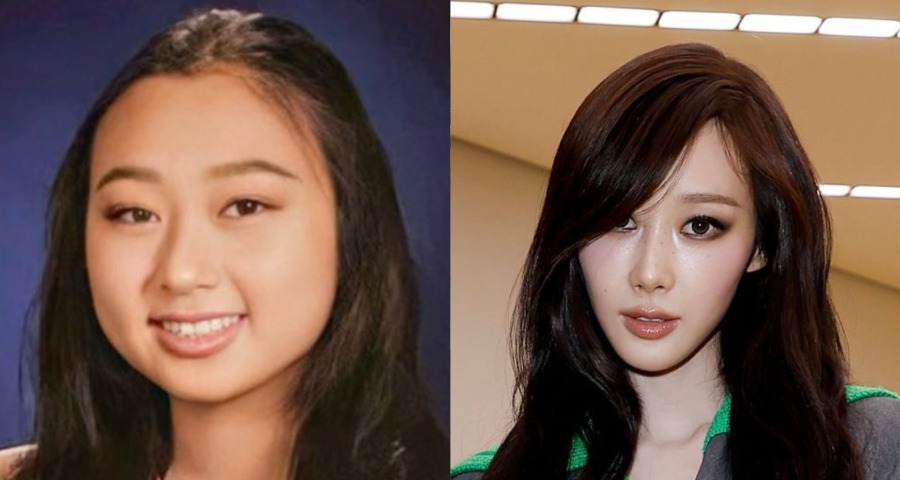
The viral post featured two contrasting images of Giselle, born Uchinaga Aeri, positioned side by side to emphasize perceived changes over time.
The left image showed what appeared to be a pre-debut or early-era portrait of Giselle. In the photo, she had long, straight dark hair, a natural smile, minimal makeup, and softer facial features. Her cheeks appeared fuller, and her jawline less defined, giving the image a youthful, everyday look often described by viewers as a “girl-next-door” style.
The right image showed a recent professional close-up of the idol, styled with side-swept bangs and heavier glam makeup. The polished look included sharp eyeliner, glossy lips, and contoured facial shading, with many viewers noting that her face appeared slimmer and more sculpted compared to the earlier photo.
The visual contrast between the two images quickly fueled speculation about whether the changes were due to natural maturation, styling, or cosmetic procedures.
Replies Split Between Criticism and Defense
The comment section quickly filled with polarized reactions, reflecting a familiar pattern often seen in viral K-pop visual debates.
A significant portion of replies focused on speculation about cosmetic procedures, with some commenters making sarcastic or mocking remarks about the perceived transformation. Many used humor or exaggeration to describe differences in facial structure, particularly focusing on the jawline and cheekbones.
Some replies also used the comparison to broaden criticism toward aespa’s visuals as a whole, introducing elements of fan rivalry and visual competition with other groups.
At the same time, a smaller but vocal group of defenders pushed back against the negative framing. Many pointed out that changes in appearance over time are common, especially in the entertainment industry where styling, makeup, and lighting can significantly alter how a person looks on camera.
Others noted that cosmetic enhancements—whether minor or major—are widely acknowledged within the K-pop industry and are often normalized among public figures.
Industry Norms and Styling Factors Enter the Discussion
Beyond speculation about procedures, some viewers highlighted the role of professional styling in shaping public perception. Makeup techniques such as contouring, along with hairstyle changes and lighting conditions, were cited as factors that can dramatically alter facial definition in photos.
Several commenters also emphasized natural aging and the loss of youthful “baby fat” as possible explanations for the difference between early and recent images. Others referenced how idols often undergo gradual visual evolution between trainee years and their active careers.
A handful of fans shared additional images and videos of Giselle with lighter makeup to argue that she still retains many of her original features.
Engagement Driven by Familiar Viral Formula
Observers noted that the post followed a familiar pattern commonly seen in viral K-pop discourse—pairing side-by-side images with emotionally charged captions designed to spark reaction and debate.
The phrase “K-netizens are shocked” has become a recurring format used in viral posts, often without verifiable context, serving as a trigger phrase that encourages discussion and engagement across international fandoms.
The account that shared the original tweet remained highly active in responding to comments, frequently posting sarcastic replies that further amplified attention around the discussion.
A Recurring Conversation in Idol Culture
The debate surrounding Giselle reflects a broader pattern within the K-pop industry, where idols frequently face scrutiny over visual changes throughout their careers.
Appearance comparisons, especially those highlighting pre-debut versus current images, remain a recurring topic across social media platforms. These discussions often extend beyond individual idols to broader conversations about beauty standards, industry expectations, and public pressure.
Despite the criticism present in many replies, numerous supporters reiterated that Giselle continues to be praised for her confidence, stage presence, and evolving style.
As the conversation continues to circulate online, the viral post highlights how visual comparisons remain one of the most powerful engagement drivers in K-pop culture—often sparking debate not only about individual idols, but about the expectations placed on performers throughout their careers.