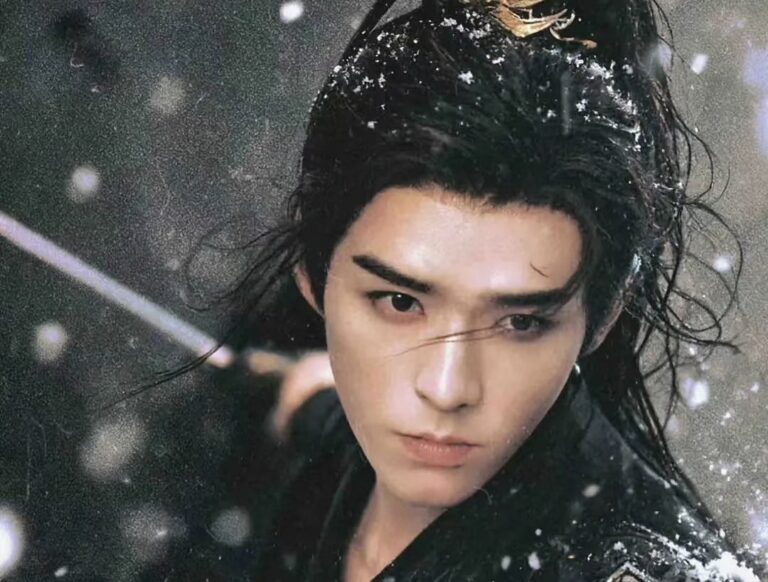
For many long-time viewers, 2016 remains a milestone year in the evolution of Korean drama — a period when genre experimentation, star-driven casting and emotionally rich storytelling converged to produce a catalogue that would shape the global K-drama boom for years to come. A decade later, these shows continue to attract new fans, inspire rematches and influence the creative direction of modern Korean television.
Among the most celebrated titles from that year is Guardian: The Lonely and Great God (Goblin), a fantasy romance pairing an immortal goblin with the bride fated to end his curse. Its fusion of myth, humour and melancholy, paired with a standout ensemble and cinematic production values, made it one of the decade’s defining hits.
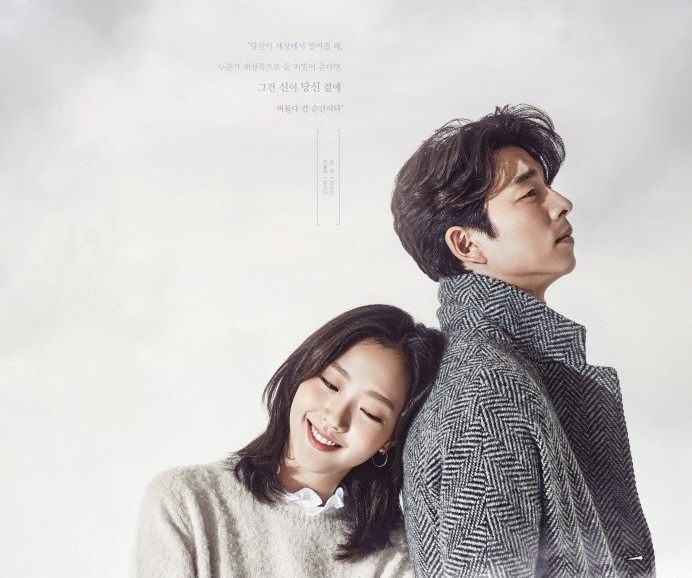
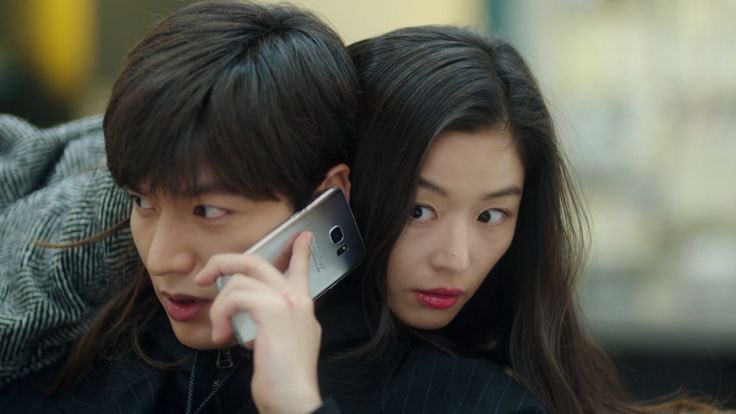
Descendants of the Sun delivered blockbuster-scale romance against a military and medical backdrop, following a special forces captain and a surgeon as they navigate conflict and connection. Its massive ratings performance across Asia cemented its status as a cultural export and marked an early sign of K-drama’s expanding global reach.
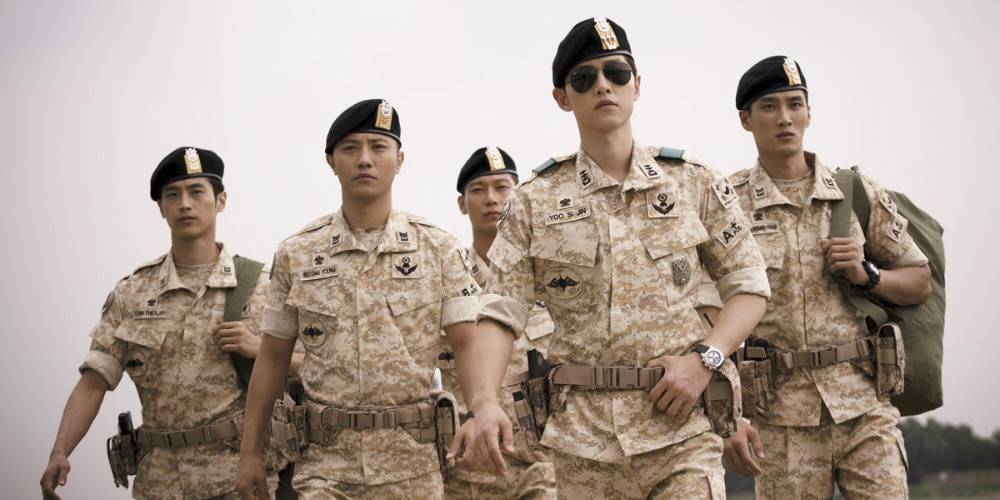
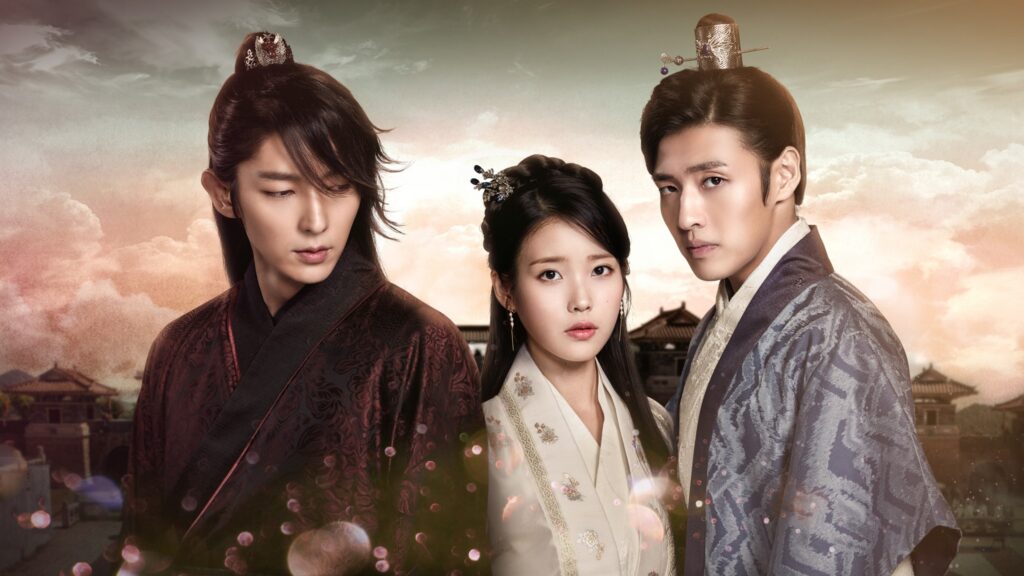
Fantasy storytelling also thrived through The Legend of the Blue Sea, which paired a modern-day Seoul romance with mermaid mythology, while Moon Lovers: Scarlet Heart Ryeo channeled historical palace intrigue through a time-slip premise and an ensemble cast that sparked international fandom despite mixed domestic reception.
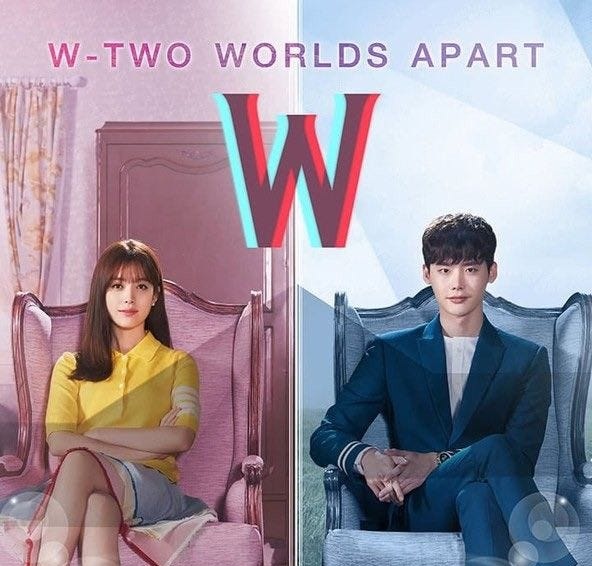
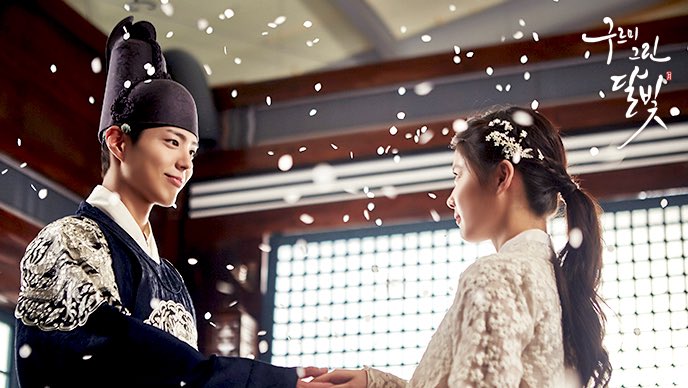
Love in the Moonlight (Moonlight Drawn by Clouds) offered a gentler coming-of-age interpretation of Joseon royal life, blending nostalgia, music and fresh-faced chemistry into one of the year’s warmest romances. By contrast, W – Two Worlds pushed genre boundaries with a reality-versus-webtoon structure that demonstrated how boldly K-dramas could experiment with form without losing accessibility.
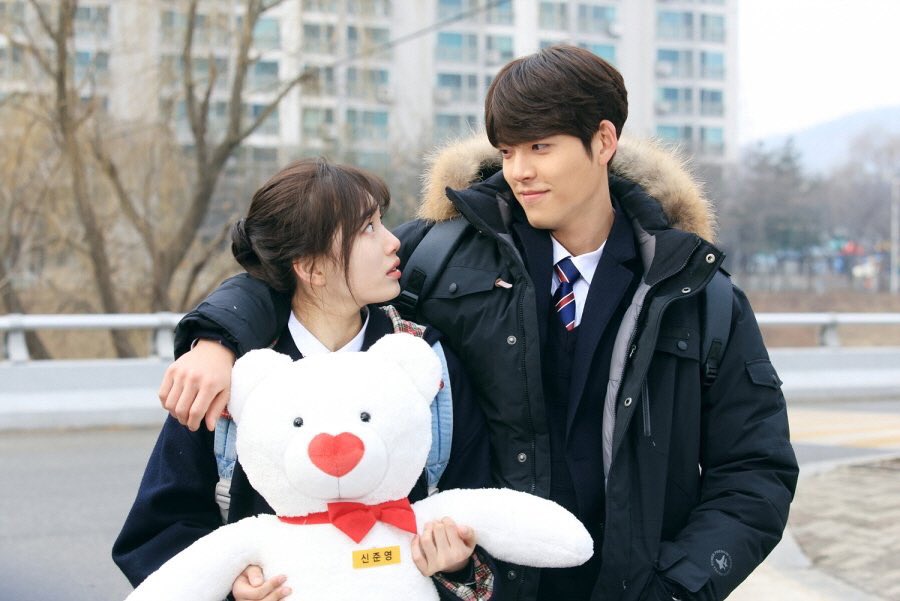
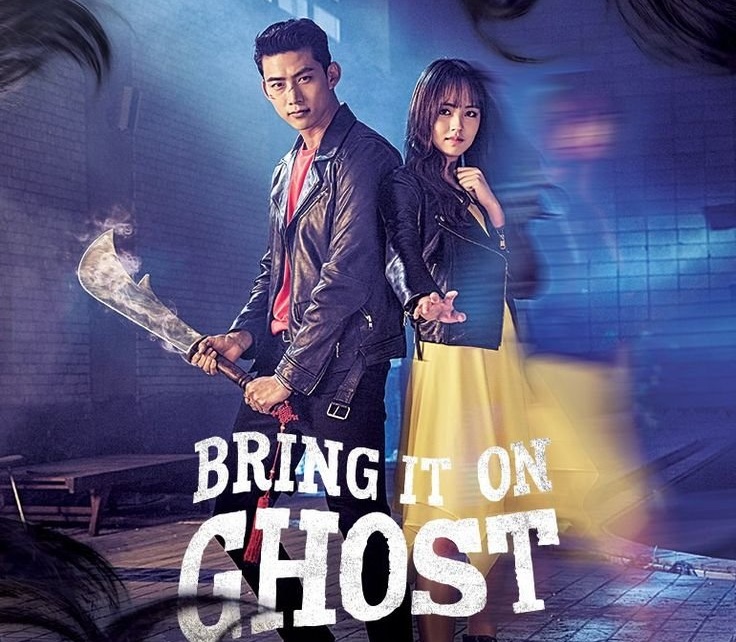
The year also produced contemporary comfort watches like Weightlifting Fairy Kim Bok Joo, a sports romance that has aged into a cult favourite for its sincerity and relatability, as well as melodramas such as Uncontrollably Fond, known for its emotional intensity and star-led heartbreak narrative. Even offbeat genre mixes found space: Bring It On, Ghost blended light horror, comedy and romance — foreshadowing a trend toward genre hybridity that would become more common in the years that followed.

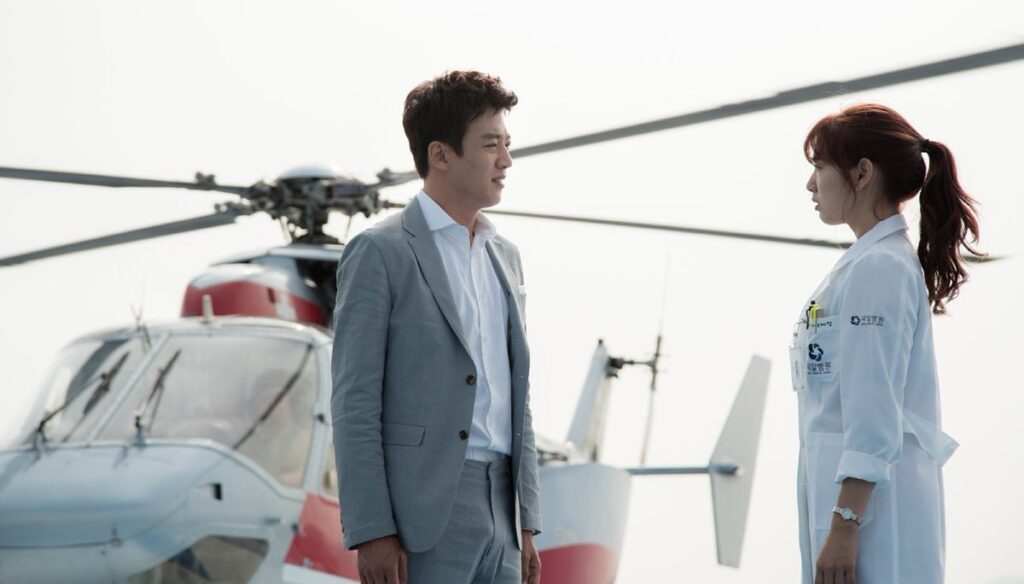
Titles like Doctors rounded out the year’s slate, underscoring how broad 2016’s creative range truly was, spanning medical drama, historical romance, mythic fantasy, military action, youth melodrama and genre-bending thrillers — often within the same programming cycle.
Looking back from 2026, the significance of 2016 lies not only in nostalgia but in the industry shift it heralded. These series helped expand international appetite for Korean storytelling at a time when streaming platforms were only beginning to globalize their slates. Their continued rewatch value speaks to the emotional clarity, production ambition and narrative experimentation that drew new audiences into the K-drama ecosystem and set the stage for the explosive global demand visible today.